Hip Osteoarthritis: What You Need to Know from a Hip Pain Specialist
- Apr 22
- 3 min read
At a Glance: Key Takeaways
Definition: A degenerative condition where the hip's protective cartilage wears away, leading to bone-on-bone friction.
Primary Symptoms: Persistent groin pain, stiffness, and difficulty with daily tasks like putting on socks.
Who is affected? Roughly 1 in 9 adults over 45 in the UK suffer from hip osteoarthritis.
Modern Solutions: Treatments range from weight management and physiotherapy to advanced robotic-assisted hip replacements.
Expert Advice: Consulting a hip pain specialist early can prevent significant loss of mobility.
What is hip osteoarthritis?
Hip osteoarthritis is a progressive degenerative joint condition characterised by the breakdown of the protective cartilage that cushions the hip’s ball-and-socket joint, causing inflammation, pain, and a gradual loss of mobility.
At Aberdeen Orthopaedics, Scotland’s largest private specialist network, we find that many patients mistake the early signs of this condition for simple "ageing," when it is actually a manageable clinical condition.
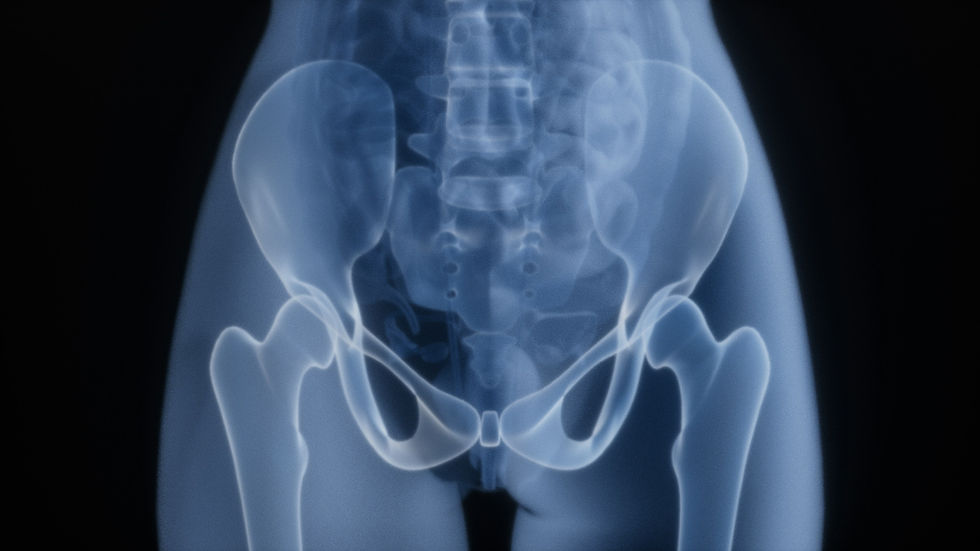
The hip joint is formed by the ball-shaped head of the femur fitting into the socket of the pelvis. This area is coated in smooth, rubbery cartilage that facilitates fluid movement. As we age, or following an injury, this cartilage can thin and become brittle. Without this cushioning, the bones rub together, leading to the discomfort and stiffness associated with arthritis.
What are the common symptoms of hip osteoarthritis?
Individuals suffering from hip osteoarthritis often find that their symptoms begin gradually. You should consider speaking with a hip pain specialist if you experience:
Stabbing or Sharp Pain: Frequently felt in the groin or thigh, occasionally radiating to the buttocks or knees.
Joint Stiffness: Particularly in the morning or after sitting for long periods.
Mechanical Issues: A "crunching" sensation (crepitus) or a feeling that the joint is locking.
Functional Limitations: Difficulty performing routine activities, such as climbing stairs or the inability to comfortably put on your shoes and socks.
What causes hip osteoarthritis to develop?
While the precise cause isn't always singular, several risk factors are well-documented. According to Public Health England, approximately 1 in 9 adults over 45 years of age in England suffer from osteoarthritis of the hip—a statistic mirrored across Scotland.
Contributing factors include:
Age and Genetics: The risk increases as we get older, and the condition often runs in families.
Previous Injury: Past fractures or labral tears can accelerate joint wear.
Weight: Carrying excess body weight increases the mechanical load on the hip joint.
Gender: Statistically, osteoarthritis is more common in women than men.
How is hip osteoarthritis diagnosed?
Because hip pain can sometimes be referred from the lower back, a professional diagnosis is vital. When you visit a hip pain specialist at Aberdeen Orthopaedics, we utilise a combination of physical examination and advanced diagnostic imaging. Depending on your symptoms, you may undergo X-rays to check for joint space narrowing, or more detailed MRI and CT scans to assess the surrounding soft tissues and bone density.
What can be done to treat hip osteoarthritis?
Managing hip arthritis is rarely a "one-size-fits-all" process. The consultants at Aberdeen Orthopaedics focus on a bespoke treatment plan based on your age and the severity of the condition.
Non-Surgical Management: For early-stage arthritis, we recommend lifestyle modifications including regular low-impact exercise (such as swimming or yoga), maintaining a healthy weight to reduce joint strain, and wearing supportive footwear.
Surgical Innovation: If conservative measures fail to provide relief, surgical intervention may be the best route to restoring your quality of life. As leaders in orthopaedic care in Scotland, our surgeons specialise in the latest hip replacement techniques, including minimally invasive and robotic-assisted procedures designed to get you back on your feet faster.
Frequently Asked Questions
Does hip osteoarthritis always require surgery?
No. Many patients successfully manage their symptoms for years through physiotherapy, weight management, and activity modification. Surgery is typically considered when the pain significantly impacts your quality of life or sleep.
Is walking good for hip arthritis?
Yes, but in moderation. Low-impact walking on flat surfaces helps keep the joint lubricated and the supporting muscles strong. Avoid steep inclines or uneven terrain if your pain is acute.
Why is my hip pain worse in the morning?
Inflammatory fluid can build up in the joint while you are inactive during sleep. Moving the joint gently helps "warm up" the area and distribute joint fluid, which usually reduces stiffness within 30 minutes.
Consult Scotland's Leading Hip Pain Specialists
If you are struggling with persistent discomfort, the team at Aberdeen Orthopaedics is here to help. Our network of expert consultant surgeons offers the support, advice, and modern surgical care you need to regain your independence.