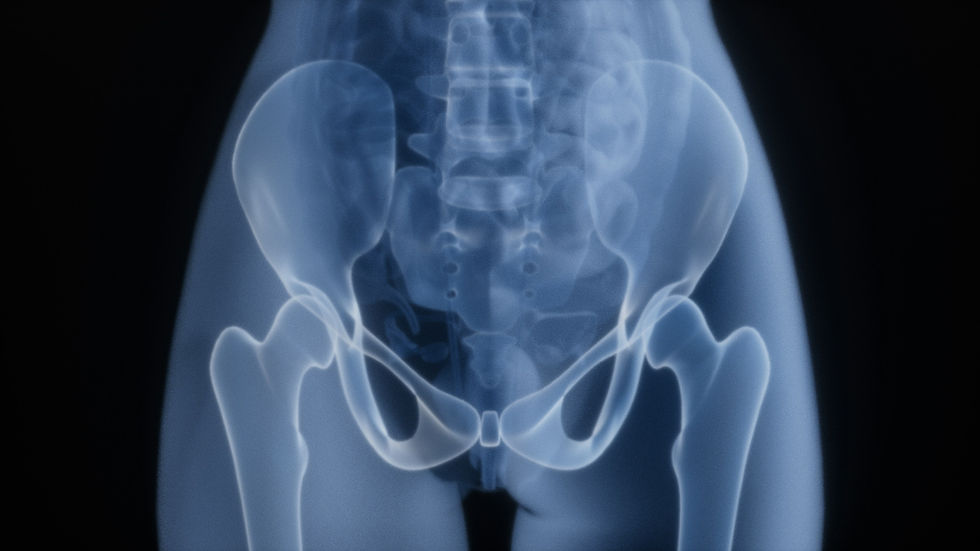
Relieving Hip Stiffness: Top Exercises for Managing Hip Osteoarthritis
TL;DR: At a Glance
The Goal: Reduce hip stiffness and improve mobility through low-impact movement.
Key Exercises: Knee lifts, hamstring stretches, and supported hip flexion.
Lifestyle: Swimming and cycling are excellent for maintaining joint health without overstressing the cartilage.
Professional Advice: If exercise does not alleviate symptoms, a consultation with a specialist at Aberdeen Orthopaedics can help determine if further intervention is required.
Hip stiffness is a clinical symptom of osteoarthritis characterised by a restricted range of motion and a persistent sensation of tightness within the joint, typically occurring after periods of rest or upon waking. This physical limitation is one of the most common complaints among patients in North East Scotland seeking help for musculoskeletal health. While a diagnosis of hip osteoarthritis may feel daunting, proactive management through targeted exercise is one of the most effective ways to maintain independence and joint function.
Why does osteoarthritis cause hip stiffness?
Osteoarthritis is often described as 'wear and tear', where the protective cartilage on the ends of the bones wears down over time. At Aberdeen Orthopaedics, we often see patients whose joint capsule has become thickened and the lubricating synovial fluid has decreased. This leads to the classic "stiff" feeling. Without regular movement, the muscles surrounding the hip can also become shortened and weak, further compounding the lack of mobility. Engaging in a structured exercise programme helps to "oil" the joint and strengthen the supporting structures.
What are the best exercises for hip stiffness?
Before beginning any new physical regime, it is essential to perform a gentle five-minute warm-up, such as walking on the spot. Here are four evidence-based movements to help restore your range of motion:
1. Knee Lifts (Supine)
This exercise improves the flexibility of the hip joint. Lay flat on your back on a firm surface. Slowly pull one knee towards your chest; you may use your hands to gently guide the leg further if comfortable. Hold this position for 10 seconds to feel the stretch in the glutes and hip. Repeat five times per leg.
2. Standing Hamstring Stretches
Tight hamstrings can pull on the pelvis and exacerbate hip stiffness. Stand upright and place your heel on a low step or stool. Keeping your back straight—avoiding any slouching—lean forward from the hips until you feel a stretch in the back of your thigh. Hold for 25 seconds, then switch legs.
3. Supported Hip Flexion
This exercise focuses on strengthening the muscles that allow you to lift your legs, which is vital for walking and climbing stairs. Stand and hold onto a sturdy piece of furniture for balance. Lift your leg, bending both the hip and knee as high as is comfortable. Perform 10 repetitions on each side, focusing particularly on the side where the stiffness is most acute.
4. Low-Impact Aerobic Activity
Movement does not have to be limited to floor exercises. Activities such as swimming and cycling are highly recommended by our consultants. These "unloaded" exercises allow the joint to move through its full range of motion without the impact of your body weight, which can significantly reduce inflammation and stiffness.
Can lifestyle changes improve hip mobility?
Consistency is the most important factor in managing osteoarthritis. The NHS and British Orthopaedic Association recommend maintaining a healthy weight to reduce the load on weight-bearing joints. Combining a balanced diet with the exercises mentioned above can significantly slow the progression of symptoms and improve your quality of life in the long term.
When should you consult a specialist?
While conservative management and exercise are the first line of defence, they may not be enough for everyone. If hip stiffness is accompanied by "locking," night pain, or if it prevents you from performing daily tasks like putting on socks, it may be time to seek an expert opinion. Aberdeen Orthopaedics offers access to the region’s leading surgeons who specialise in everything from joint injections to total hip replacements.
Frequently Asked Questions
Is it safe to exercise if my hip feels stiff?
Yes. In most cases of osteoarthritis, "motion is lotion." Gentle stretching helps circulate synovial fluid. However, if you experience sharp, stabbing pain, you should stop and consult a professional.
How often should I perform these exercises?
For the best results in reducing hip stiffness, aim to perform these stretches at least three to four times a week.
Does cold weather make hip stiffness worse?
Many patients in Aberdeen report increased stiffness during the colder months. This is often due to changes in barometric pressure and decreased activity levels. Keeping the joint warm and staying active indoors can help.
Who can help if exercises aren't working?
If conservative methods fail, a consultant orthopaedic surgeon can provide a comprehensive assessment and discuss advanced treatment options tailored to your lifestyle.
Expert Care for Hip Osteoarthritis in Aberdeen
If you are struggling with persistent hip stiffness or pain that limits your mobility, do not suffer in silence. As Scotland’s largest private specialist network, Aberdeen Orthopaedics provides expert diagnostic imaging and tailored treatment plans to help you return to the activities you love.