The Car-to-Tee Trap: Why Rushing Your Golf Warm-Up Causes Strains
At a Glance
The Car-to-Tee Trap: Moving directly from a static car seat to a high-velocity golf drive triggers protective muscle spasms and acute tissue strains.
Protective Muscle Lock-Up: Cold joints lack essential lubrication, forcing surrounding muscles to contract violently to shield the joint capsule from sudden twisting forces.
The 60-Second Solution: Performing a controlled, driver-across-shoulders torso rotation on the tee box safely prepares the spine and shoulders for rotational impact.
Kinetic Chain Alignment: Addressing hidden hip stiffness ensures the pelvis can rotate freely, preventing the lower back from taking dangerous, compensatory loads.
The arrival of the golfing season across North East Scotland brings enthusiasts back to the fairways, but it also triggers a predictable annual spike in lower back and shoulder strains within private clinics. Golf-related muscle strain is the acute stretching or tearing of musculoskeletal tissues caused by executing high-velocity, rotational movements before the joints and surrounding stabilising structures have been properly warmed up and lubricated.
Data from sports medicine research reveals that the vast majority of amateur golf injuries stem from inadequate physical preparation rather than structural flaws in the swing itself. Protecting your body on the course requires breaking a highly common, sedentary pre-round habit.

Why is walking straight from the car to the first tee so hazardous?
The single biggest mistake amateur golfers make is walking straight from the steering wheel to the first tee box and taking a full-force drive. When you sit in a car during the commute to the course, your joints remain static and cold, meaning they lack the active circulation of lubricating synovial fluid. If you suddenly subject these unprimed joints to an explosive, maximum-effort twist, your nervous system interprets the sudden movement as a threat. To protect the joint capsule from structural damage, the surrounding muscles instantly and violently contract. This defensive reflex mechanism is a primary cause of acute back and shoulder tears.
How does the 60-second driver stretch protect your body?
To safely transition from a sedentary driving posture to an athletic swing, you must gradually introduce dynamic rotation to your upper body. Next time you stand on the first tee, try a simple 60-second dynamic stretch using your equipment to wake up your muscles. Hold your driver horizontally across your shoulders behind your neck, keeping your feet shoulder-width apart in a stable golf stance. Gently rotate your torso from side to side, gradually increasing your turn over the course of one minute. This controlled movement safely prepares your spine and shoulders for rotation, protecting your back while actively improving your swing power.
How does pelvic restriction threaten your lower back?
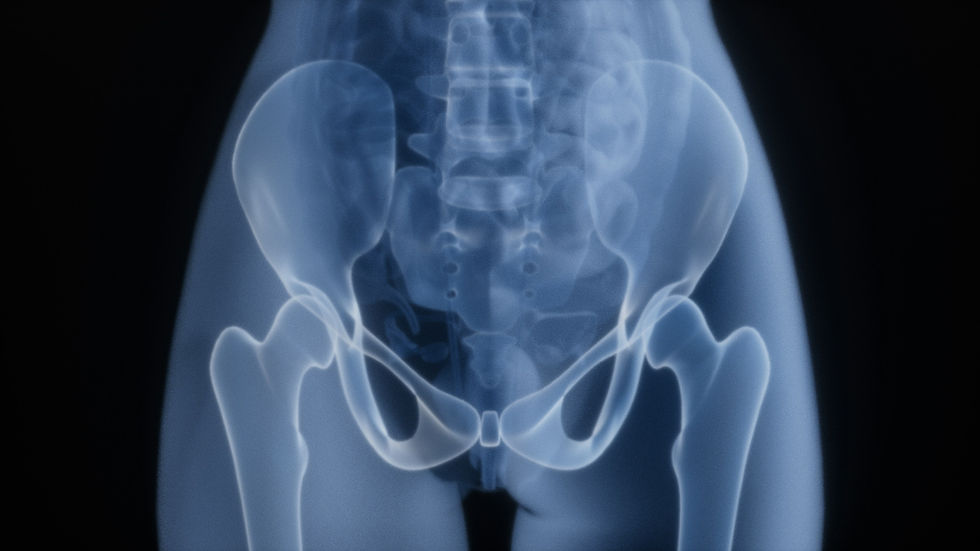
A fluid golf swing relies on a perfectly synchronised kinetic chain, meaning a restriction in one joint forces adjacent structures to overcompensate. Spending hours driving to a course frequently leads to a localised hip stiffness that restricts the natural pelvic rotation needed during your backswing. When the pelvis cannot turn freely, the body forces the lumbar spine to twist far beyond its intended anatomical range to complete the swing arc. Over 18 holes, this repetitive shearing force micro-traumatises the lower back. Persistent stiffness in this region can be an early indicator of underlying joint wear, such as osteoarthritis of the hip, which requires professional evaluation to prevent progressive mobility loss.
Frequently Asked Questions
Why do my shoulders feel tight after a round of golf?
When your lower body or mid-back lacks proper mobility, your arms and shoulders must work harder to generate clubhead speed. This overcompensation overloads the delicate rotator cuff muscles, leading to localised inflammation and tightness.
Can a short dynamic warm-up truly prevent serious injuries?
Yes. Spending just five to ten minutes on dynamic movements circulates joint fluid, elevates tissue temperature, and desensitises the nervous system's protective spasm reflex, drastically lowering injury risk.
What should I do if my joint stiffness does not resolve after playing?
If post-game stiffness or minor aches persist into the next day, it indicates that your joints are struggling under the mechanical load of the sport. Tracking these symptoms early can help catch progressive conditions before they limit your lifestyle.
If you are concerned about joint pains, please book a consultation with the specialist network at Aberdeen Orthopaedics. Our dedicated team of consultant orthopaedic surgeons provides rapid diagnostics, advanced imaging, and specialised care pathways for a wide range of musculoskeletal conditions, including sports injuries and degenerative joint diseases, across North East Scotland.
To protect your long-term mobility and ensure your body is fully up to the challenge of a full 18 holes, please visit the Aberdeen Orthopaedics Hip Care Page to arrange your private appointment.